








Academic and Research Skills
EHR/Medical Informatics
Quality Improvement/Patient Safety
Trainee

Lauren Hess, MD FAAP ABPM-CI (she/her/hers)
Associate Professor of Pediatrics/ Associate Chief Medical Information Officer
Baylor College of Medicine/Texas Childrens Hospital, United States
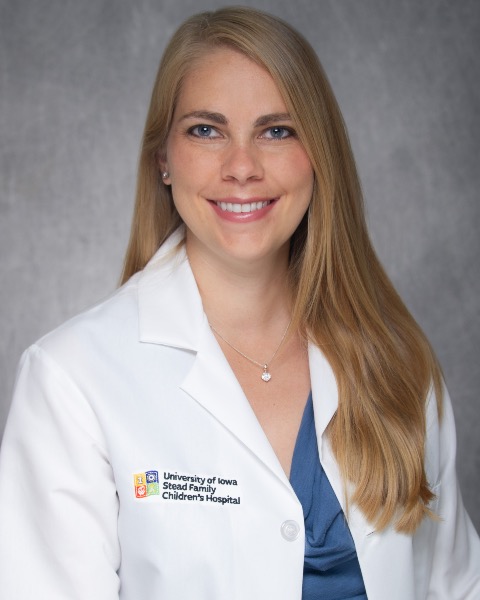
Lindsey Knake, MD, MS
Assistant Professor
University of Iowa Stead Family Children's Hospital
Iowa City, Iowa, United States

Adam Dziorny, MD, PhD, FAMIA
Associate Professor, Pediatrics & Biomedical Engineering
University of Rochester
Pittsford, New York, United States

Mark Mai, MD, MHS (he/him/his)
Assistant Professor
Department of Anesthesiology and Critical Care Medicine
Children's Healthcare of Atlanta
The Children's Hospital of Philadelphia
Decatur, Georgia, United States
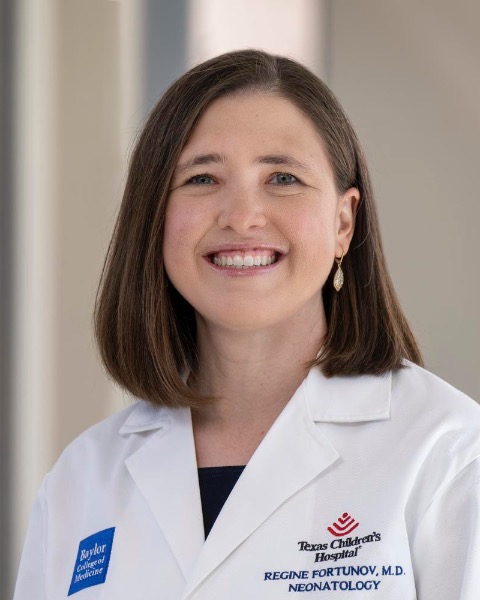
Regine Fortunov, MD (she/her/hers)
Associate Professor of Pediatrics
Baylor College of Medicine
Houston, Texas, United States
Bayley Bennett, MD
Pediatric Hospital Medicine Fellow
Emory University, Georgia, United States
Workshop Description: For pediatricians, clinical decision support (CDS) offers powerful tools for enhancing patient care, supporting health services research, and driving quality improvement initiatives. This workshop will equip participants with practical skills to harness CDS effectively, with a special focus on the optimization of EHR alerts. Interruptive alerts are a critical and common type of CDS, directly influencing clinical decision-making at the point of care. When designed well, they can significantly impact patient outcomes and improve the care process for pediatricians. However, poorly crafted alerts can lead to fatigue and unintended consequences, potentially compromising both patient care and increasing workload. Drawing from our unique national Pediatric CDS Collaborative's review of thousands of interruptive alerts across 10 pediatric institutions, the largest such review to date, participants will learn from experienced pediatric informaticists about effective use of alerts.
Through a mix of brief presentations and interactive group discussions examining alerts implemented in real care, participants will have an opportunity to:
- Design CDS alerts that support research and/or QI objectives while minimizing disruption to clinical work
- Apply human-centered design principles to improve the likely effectiveness of alerts
- Appraise alerts using heuristics to improve alert design that may be hard to interpret and worsen alert fatigue
By the end of this workshop, participants will have practical skills to optimize CDS alerts for both clinical care and research. Whether participants are conducting a large-scale study or a targeted quality improvement project, participants will leave with knowledge to unlock the powerful potential of CDS.